The blind spot in your spread: what’s missing?
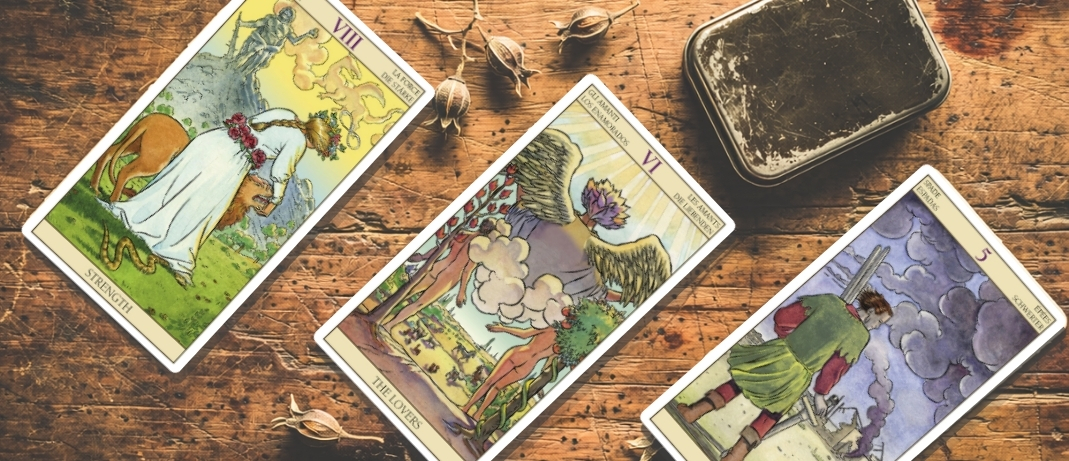
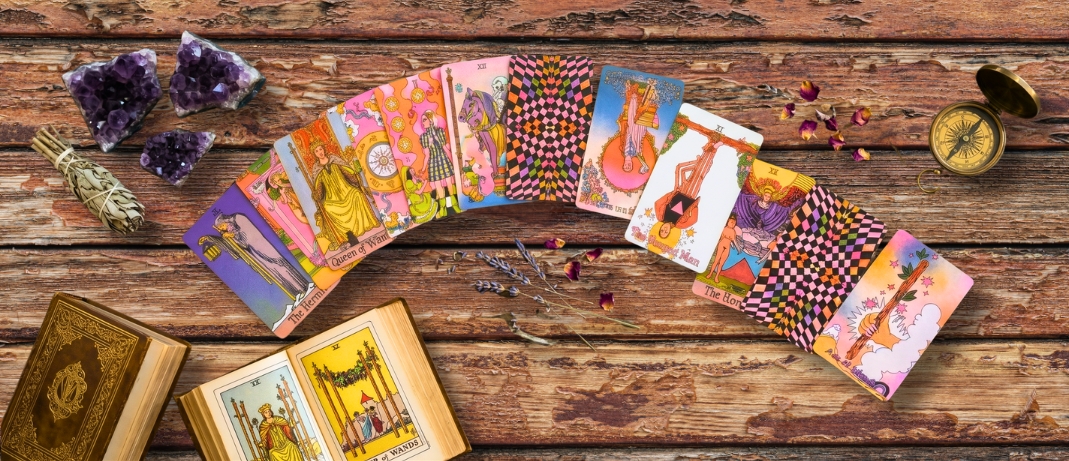
There’s a new way of looking at your cards: paying attention to what you don’t see. With the tarot blind spot you look at what’s missing in your spread, and that often gives the sharpest insight.
Would you like to learn more about the world of tarot and oracle cards? In our magazine, you will find inspiring articles designed for both beginners and advanced readers. Whether you are looking for the difference between tarot and oracle cards, or how to start reading for the first time, you will find your answers here.
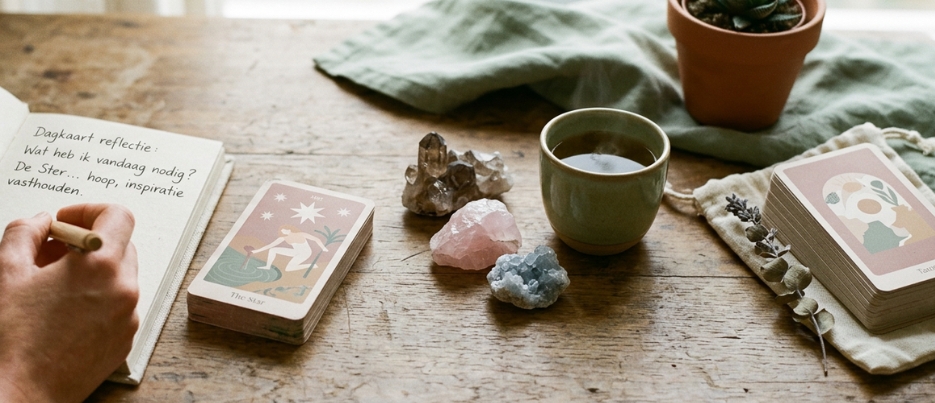
Tarot cards are powerful tools for self-reflection, balance, and personal growth. Many people draw a card each day to gain a new perspective, especially during times of uncertainty or when facing challenges. If you are just starting out, we offer clear explanations of the meanings in a tarot deck and tips on which decks are most suitable for beginners.
For those who prefer direct and practical answers, Lenormand cards are ideal. They provide clarity without vague interpretations, making them perfect for gaining quick insights into relationships, work, or your emotions—even if you have little prior experience.
How do you choose the right deck? We recommend looking at what personally appeals to you. Some feel a deep connection to traditional symbolism, while others are drawn to calm, modern designs. By exploring different styles, you will naturally discover which deck resonates most with your intuition.
Whether you choose to draw a card every day or prefer an occasional spread, these cards can be a meaningful addition to your life—providing peace of mind and a touch of magic to your daily routine.
There’s a new way of looking at your cards: paying attention to what you don’t see. With the tarot blind spot you look at what’s missing in your spread, and that often gives the sharpest insight.
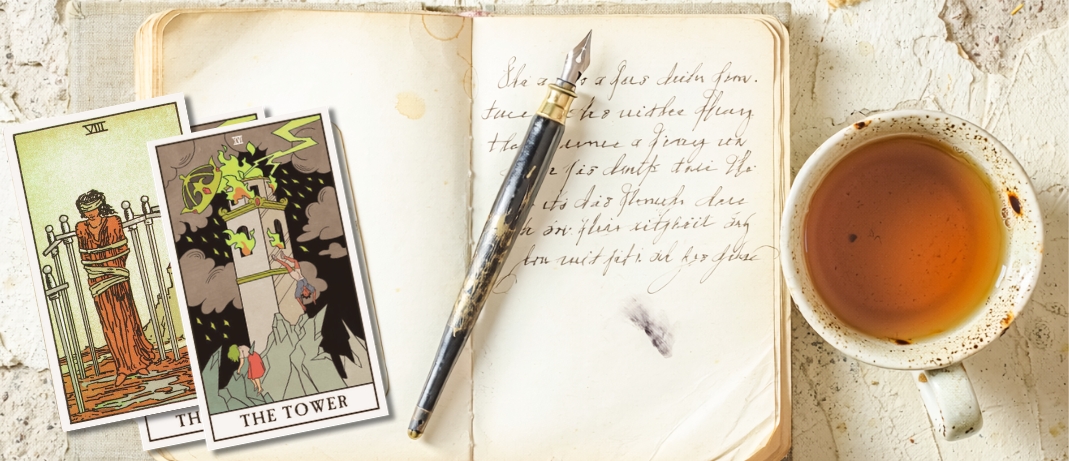
Have you drawn the Tower a few times and still flinch every time? This article explains why these emotionally difficult tarot cards often mean something other than they appear, and how to read them without fear.
Giving a tarot deck as a gift is personal, but how do you choose one for someone else? This article shows what to look for, even without any tarot knowledge, and how our gift finder helps in three questions.
Are you ready to choose a deck that suits you? The best tarot deck for beginners tops every list, but the deck that works for you might be a completely different one. Here’s why.
Tarot and technology Tarot and ChatGPT: where is the line? Research 2026Learning to readYour own intuition Do you ever doubt your own reading of a card so much that you combine tarot and ChatGPT? You draw a card and suddenly you are not sure any more. Is this what I think it is, or am […]
As the days grow shorter, the dark season naturally asks you to turn inward. This article shows how tarot and a little reflection help you embrace that quiet instead of fighting it.
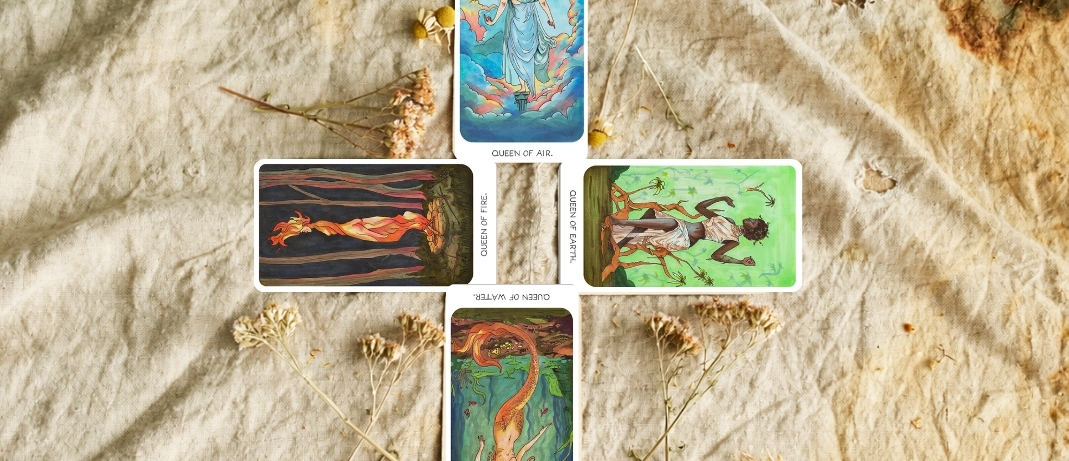
We show you a new way to use fire, water, earth and air as your guide. With the four elements in tarot you read your deck faster and with more feeling, even before you know all 78 cards.
Autumn is the season of slowing down and turning inward. This article shows how reading tarot in autumn naturally becomes calmer, with gentler questions and more room for reflection.
Sound familiar: you pull a daily card but can’t remember it by evening? This article explains why that happens and how drawing a daily card can grow into something that truly shapes your day.
With more than 2,000 decks, choosing is hard. Yet it is easier than it looks. Your reading style and your taste decide which deck really suits you.
Dive into the world of Tarot.nl by subscribing to our engaging newsletter.
This site uses tracking technologies. You may opt in or opt out of the use of these technologies.