An Ukiyo-e Lenormand - Japanese print art in 36 cards
Japanese woodblock prints are known for bold lines, flat color fields and a movement that feels caught between stillness and action. That visual language runs through every card in this Lenormand deck. The result feels unusual, as if you are placing two traditions side by side that do not naturally belong together.
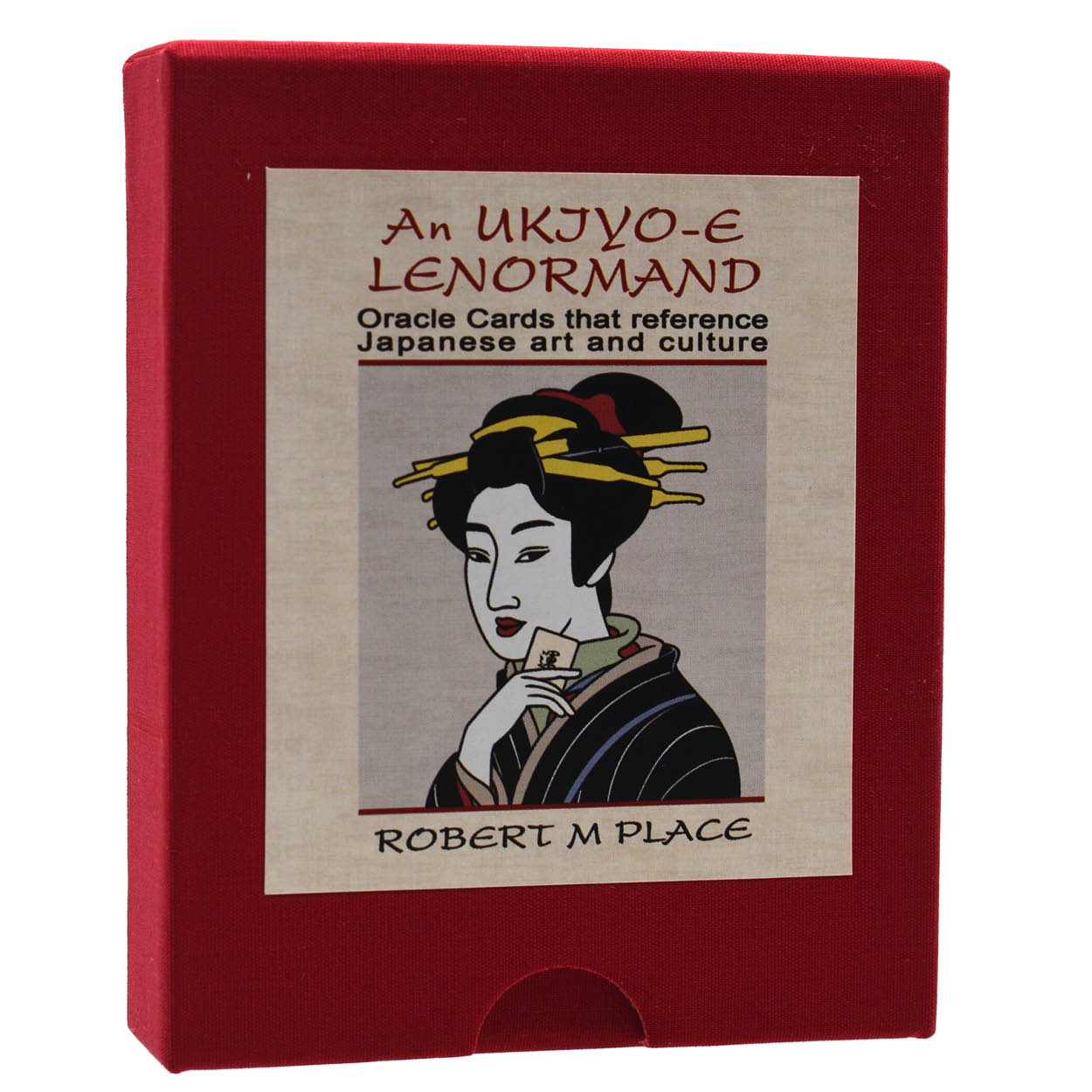
Robert M. Place designed this deck in the style of Ukiyo-e art from the Japanese Edo period. He keeps the 36 base cards of the Lenormand system and links each symbol to a Japanese equivalent. The Snake becomes a dragon. The Rider becomes a samurai. The Star becomes Mount Fuji.
What you see on the cards
The imagery is graphic: flat colors, sharp contours, no shadows. Each symbol sits in the center, surrounded by decorative elements that reference Japanese mythology.
The gold edges reflect light. That gives the cards a different presence in your hands than on a screen. The cardstock is firm and has a matte finish that shuffles cleanly without sticking.
The storage box is covered in red cloth and has a magnetic closure. The size allows the cards to sit with some room to spare.
How this deck relates to classic Lenormand
The order and meanings follow the traditional Lenormand system. Card 1 is the Rider, card 36 the Cross. Anyone familiar with Lenormand will recognize the structure immediately. The atmosphere differs: where a classic deck often feels domestic and familiar, this one feels more ceremonial.
The combination of Eastern imagery and Western divination traditions is not a natural match. That can work if you like visual contrasts and are open to a less literal reading. It can also distract if you prefer to read with symbols that are directly recognizable.
Lay out the cards one by one first and see how each Japanese symbol relates to the Lenormand equivalent you are used to. Only then start reading with them.
Who this deck is designed for
This is a collector's item. The gold-edged cards, the cloth box and the limited print run make it a premium edition. It is not designed as a budget deck or as a first Lenormand.
The style asks for some affinity with Japanese art. If you know Ukiyo-e prints by makers like Hokusai or Hiroshige, you will recognize the visual language. Without that reference the imagery can feel foreign.
About Robert M. Place
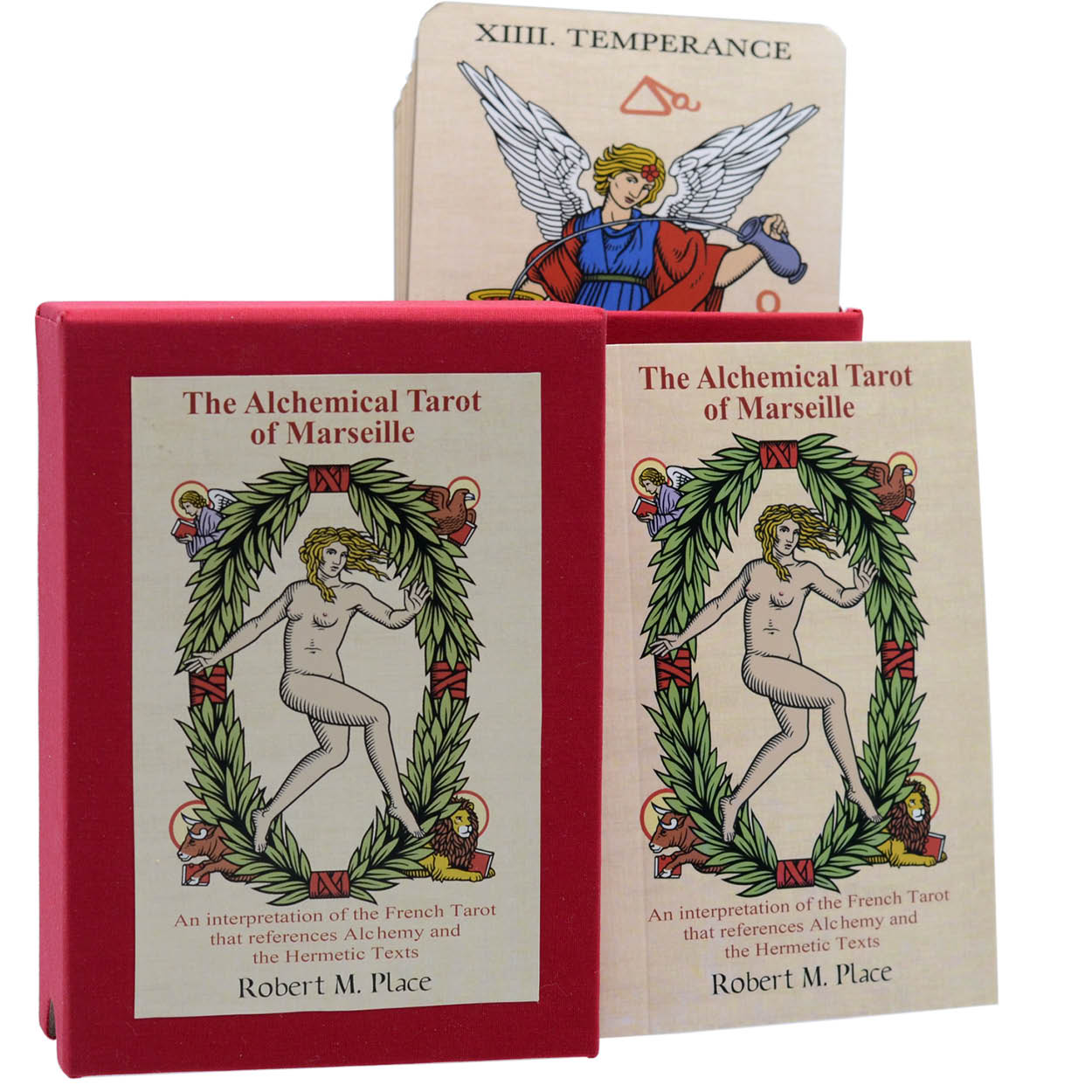
Robert M. Place is an American artist who has been designing tarot and oracle decks since the 1990s. He is known for historically grounded symbolism and mixing cultural traditions. His best-known work is The Alchemical Tarot from 1995.
For An Ukiyo-e Lenormand, Place studied the iconography of Japanese woodblock prints and applied it to the Lenormand cards without changing the core meanings.
Specifications
- Number of cards: 36
- Card size: 57 x 89 mm
- Finish: Gold-edged borders, matte finish
- Cardstock quality: Premium cardstock
- Storage box: Hard cardboard covered in red cloth, magnetic closure
- Style: Japanese Ukiyo-e woodblock print
- Language: English
- Designer: Robert M. Place
Questions we often get
Are the Lenormand meanings adapted to the Japanese symbolism?
No. The core meanings remain identical to the classic Lenormand system. The imagery is Japanese, the function of the cards is not. You can use this deck in the same way as any other Lenormand deck.
Does it come with a guidebook?
No, there is no separate guidebook included. The deck assumes you are already familiar with the Lenormand system. If you still need to learn that, you will need another book or deck with instructions.